Dental X‑Rays Explained: Safety, Frequency and Why Kochi Dentists Recommend Them
A clear, practical guide to how dental X‑rays work, why modern digital imaging is used for root canals, extractions, implants and pediatric care, and what patients in Kochi can expect at Park Dental Clinic.

Why dentists use X‑rays
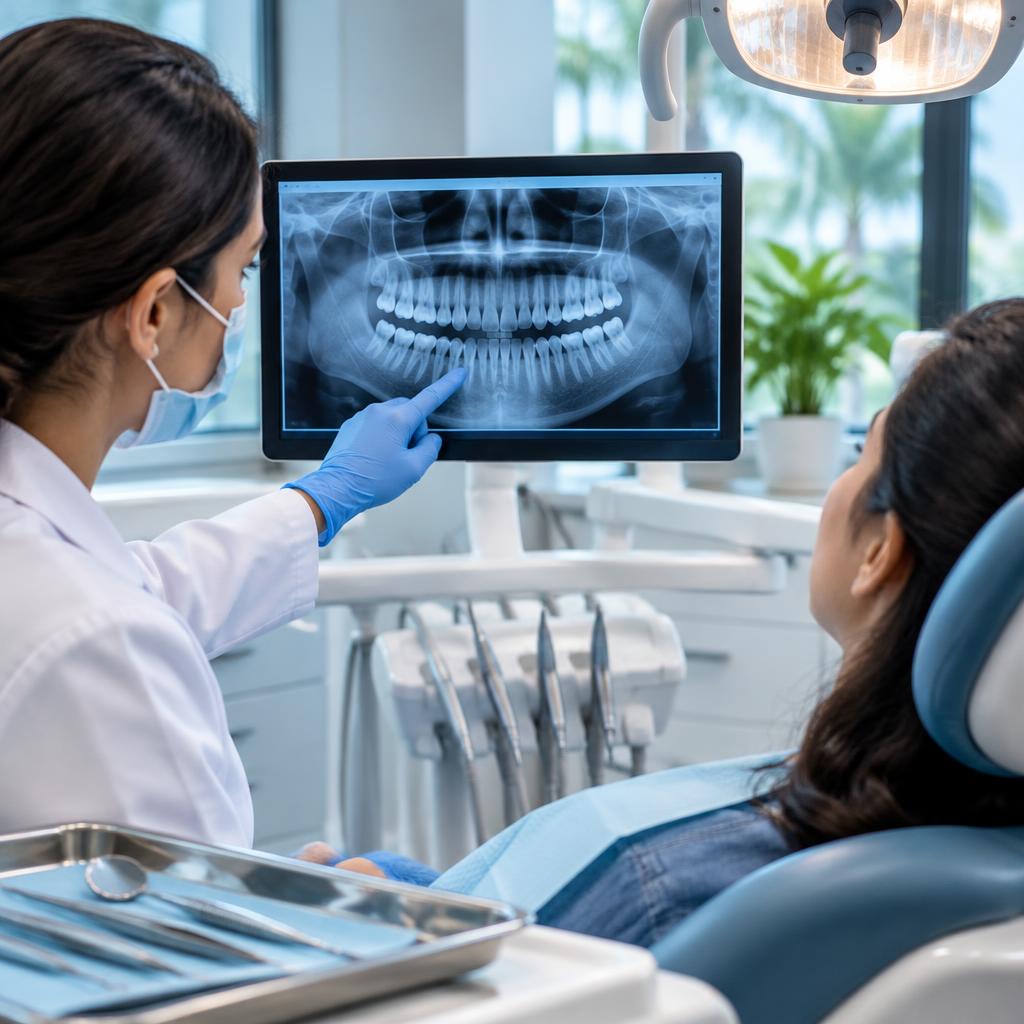
Dental X‑rays (radiographs) are diagnostic images that let dentists see structures not visible during a visual exam: tooth roots, bone levels, developing teeth, hidden decay and the relationship of teeth to neighboring structures. Dentists in Kochi and elsewhere rely on radiographs to make accurate diagnoses and to plan treatments such as root canals, extractions and implants. When used appropriately, X‑rays provide essential information that guides safer, more predictable care.
Common types of dental X‑rays and modern digital technology
The most common dental images are intraoral X‑rays (bitewings and periapical films) and extraoral panoramic images. Contemporary clinics, including Park Dental Clinic, typically use digital sensors rather than older film. Digital X‑rays capture images faster, allow immediate review on a screen, and reduce the need for repeat exposures. Panoramic images show the entire jaw in one view and are especially useful for planning extractions and implants.
Radiation exposure and safety measures
Dental radiography uses very low levels of radiation compared with many medical imaging tests. Modern digital equipment and routine safety measures — such as lead aprons, thyroid collars, and careful collimation of the X‑ray beam — further reduce exposure. Dentists follow the principle of taking radiographs only when clinically justified and using the lowest dose necessary to obtain a diagnostic image.
How often should you get dental X‑rays?
There is no single interval that fits every patient. Frequency depends on individual factors: oral health status, age, history of cavities or gum disease, symptoms, and the treatment being planned. A healthy patient with low risk may need images less often, while someone with active problems, ongoing monitoring needs, or preoperative planning for implants or root canals will have X‑rays taken as required. Your dentist will recommend a schedule tailored to your clinical needs.
Role of X‑rays in root canals, extractions and implant planning
For root canal treatment, radiographs help reveal the number, shape and length of root canals and confirm progress during and after the procedure. For extractions and wisdom teeth, images show root position and relation to surrounding bone and nerves, helping to minimize complications. For implant planning, X‑rays (often supplemented by advanced imaging when needed) assess bone quantity and locate critical anatomical structures. In every case, imaging supports a more accurate treatment plan and informed consent.
Special considerations for children and pregnant patients
Pediatric care often uses radiographs to monitor tooth development, detect early decay between teeth and guide orthodontic planning. Clinics experienced in treating children take extra care to minimize exposure and create a reassuring environment so the process is quick and comfortable. If you are pregnant or think you may be, inform your dentist; radiographs are generally avoided unless essential, and additional shielding is used when imaging is necessary. Your dentist will weigh the diagnostic benefits against any potential risks.
What to expect at Park Dental Clinic and next steps
At Park Dental Clinic in Kochi, experienced clinicians use digital X‑ray equipment and standard protective measures to keep imaging efficient and comfortable. Patients have commented that the clinic is well equipped and that the dental team is experienced and reassuring, especially for children and procedures like extractions. If your dentist recommends radiographs, they will explain why the images are needed, how they will help with your treatment plan and how exposure will be minimized. Bring any previous dental images if you have them, and discuss concerns so your care can be tailored to your needs.
Customer review


Article by
Park Dental Clinic
Park Dental Clinic is a multispeciality dental care centre in Elamakkara, Kochi, led by Dr Parvathy Raj, Dental Surgeon with 22 years of clinical experience. We are committed to providing comprehensive, ethical and personalised dental care in a comfortable and hygienic environment. Our services include preventive dentistry, restorative treatments, root canal treatment, crowns and bridges, dental implants, orthodontics, cosmetic dentistry and children's dental care. At Park Dental Clinic, every patient receives individual attention, with a focus on quality treatment, long-term oral health and confident smiles. Visit Dr Parvathy Raj at Park Dental Clinic, Elamakkara, Kochi. Park Dental Clinic – Excellence in every smile.